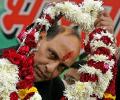
According to community leaders, Rajnath Singh has filled party posts with Thakurs and pushed Brahmins to the margins. Archis Mohan reports
.jpg)
India's hydroelectric power generation grew 17.5 per cent to 7.5 billion units in January this year from 6.4 billion units in the same month of 2012.
Rates to go up as Delhi power regulator works out plan to liquidate past dues.

The Rashtriya Swayamsevak Sangh perceives the forthcoming Lok Sabha elections to be a fight for its own existence and all that it stands for. Archis Mohan reports

In a season of political deal-making, it would seem the BJP is not only keener to win new friends but is ahead of rival Congress in the game. Its only competition, if at all, has come from regional satraps and the Left parties, which on Tuesday resolved to fight the elections together against both the Congress and BJP.

The companies are crying foul over the cancellation of 25 blocks held by 68 firms over the past two days.
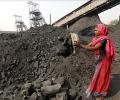
M Veerappa Moily's takeover of the environment & forests ministry last month, it appears, is turning out to be a blessing for Coal India Ltd (CIL), the world's largest coal producer.
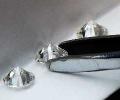
The mine is likely to yield 37 million tonnes of kimberlite, containing about 27.4 million carats of diamonds and has a life of 25 years.

Lt Governor says discoms must cooperate or face cancellation of licences. Ficci cries interference.

The shift to gross calorific value-based grading of coal aligned domestic prices with international benchmarks.
.jpg)
Delayed clearances for coal blocks, as well as companies' own failure in developing mines, appear to have had a financial implication of Rs 1.46 lakh crore (Rs 1.46 trillion) for the country.

Infra major's entry could queer the pitch for Jaypee and Hindustan Semiconductor.
Indian manufacturers are concerned about losing market share to Chinese makers.

The run-up to next year's general elections might see some of the top executives of government-run companies getting unlucky. And, the period could become the best in the lives of those waiting in the wings.

Imported components account for up to 30% of the firm's total production cost.
.jpg)
Likely to set the ball rolling for Rs 1.72-lakh-cr projects today
The good news is that within the first 14 months, orders for manufacturing and commissioning of the entire 88,537 Mw capacity for the 12th Plan have been placed, according to the Central Electricity Authority, the country's apex power planning body.
Tata, Adani, Lanco to be hit as Indonesia may ban export of low-grade coal
Affected firms note practical problems in getting discoms, consumers to pay for costlier supply; viability shadow on investments

R-Power, Essar could be hit as state mulls benefit-sharing levy for ecology loss.
